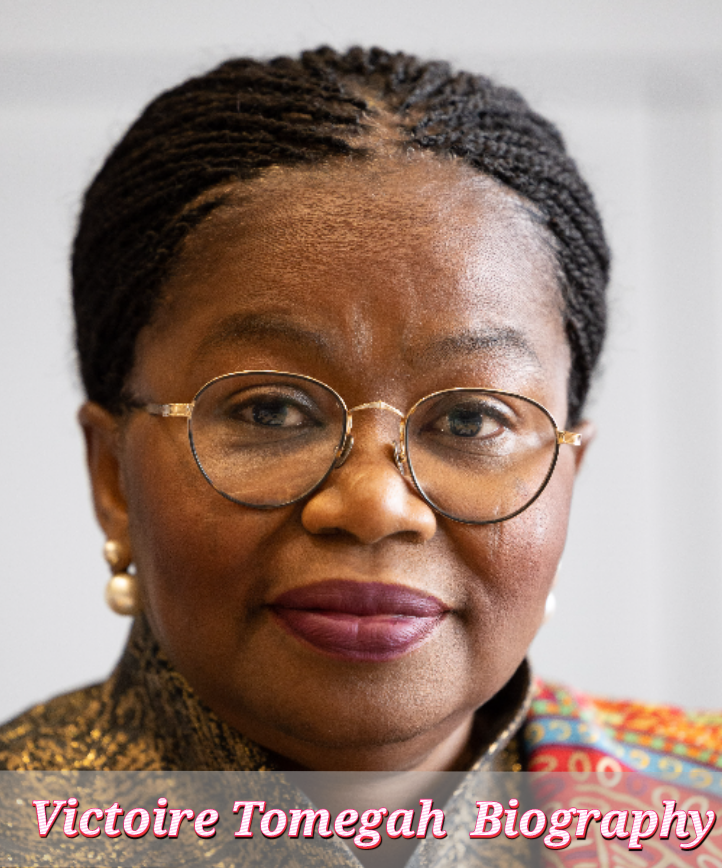
Victoire Tomegah Biography
Victoire Tomegah stands out as a key figure in Togo’s history. She became the first woman to serve as prime minister of this West African country. Her story shows how hard work and dedication can lead to big changes. Born in the late 1950s, she grew up in a time when Togo was finding its way after gaining independence. Her path took her from school studies to jobs in business and then to high roles in government. This biography looks at her life to help readers understand her impact. It covers her early years, learning, family, money matters, work history, any debates around her, what she left behind, and ends with common questions. By reading this, people can see how one person can shape a nation. Her role helped push for more women in leadership across Africa. She focused on helping young people find jobs and building strong communities. This made her a role model for many. In a country with about eight million people, her steps forward matter a lot. This article aims to share facts in a clear way, so everyone can follow along easily.
Togo sits on the Gulf of Guinea, with neighbors like Ghana and Benin. It became free from French rule in 1960. Since then, leaders have worked on growth and stability. Victoire entered politics during a period of change. She joined the government in 2008 and rose quickly. Her appointment as prime minister in 2020 marked a new chapter. It showed progress in gender roles. Before her, no woman held that top spot. Her time in office lasted until 2025, when rules changed. During those years, she led efforts to recover from global health issues and boost the economy. This biography draws from reliable sources to paint a true picture. It avoids guesses and sticks to known events. Readers will find it helpful for learning about African leaders. Her story inspires those who dream of public service. It also highlights challenges in politics, like balancing work and life. Overall, Victoire’s life teaches lessons on perseverance and service to others.
Victoire Tomegah Early Life
Victoire Sidémého Dzidudu Dogbé Tomegah came into the world on December 23, 1959, in Lomé, the capital city of Togo. Lomé is a busy port city on the coast, known for its markets and mix of cultures. Growing up there, she saw daily life in a young nation. Togo had just become independent when she was a baby. This time shaped many people, including her. Families often stressed the value of learning and community help. Though details on her childhood are few, it is clear she lived in a setting that encouraged growth. Her full name reflects Togolese traditions, with parts that honor family ties.
As a child, Victoire likely went to local schools. Togo’s education system grew after independence, with more chances for kids. She would have learned French, the main language used in schools and government. Life in Lomé offered views of trade and daily work. The city has beaches and busy streets, where people sell goods and share stories. This environment may have sparked her interest in economics and helping others. Families in Togo often live close together, supporting each other. Victoire grew up understanding the need for strong bonds. Her early years built a base for her future. She saw challenges like poverty and the push for better jobs. These experiences likely guided her later choices in work.
By her teens, Togo faced ups and downs in politics. Leaders changed, and the economy relied on farming and trade. Victoire’s family background is not widely shared, but it seems they valued progress. She turned toward studies that could lead to real change. Her birth in 1959 places her in a generation that saw Africa’s shift from colonial rule. Many in her age group became leaders. In Lomé, she had access to better resources than in rural areas. This helped her prepare for higher learning. Overall, her early life set the stage for a career focused on development and equality. It shows how one’s start can influence big goals.
Victoire Tomegah Education
Victoire pursued strong academic goals from a young age. She joined the University of Lomé in 1978 to study economics and management. This school is Togo’s main university, offering courses in key fields. She earned a master’s degree there in 1982. This qualification gave her skills in handling money and business. It was a big step for a young woman in Togo at that time. Education for girls was growing, but still not equal to boys. Her success showed determination.
After that, she looked abroad for more training. In 1988, she got a diploma in marketing and general management finance from the Jutland Technology Institute in Aarhus, Denmark. This added global views to her knowledge. Denmark’s program focused on practical skills for business. She learned about markets and planning. This helped her understand international trade, important for Togo’s economy. Later, she specialized in orchestrating winning performance at the International Institute for Management Development in Lausanne, Switzerland. This training sharpened her leadership abilities.
She also earned a specialized diploma in intervention areas from the UNDP Virtual University in New York, linked with Jones International University. This focused on development and poverty reduction. It prepared her for work in aid and community projects. All these steps built a solid foundation. She combined local and world learning. This mix made her effective in roles that needed both. In Togo, higher education opens doors to better jobs. Victoire’s path encouraged others, especially women, to study hard. Her qualifications proved key in her shift from business to government. They equipped her to tackle complex issues like job creation and growth.
Victoire Tomegah Personal Life
Victoire keeps much of her private life out of the public eye. She is married and has four daughters. Balancing a busy career with family shows her strength. In Togo, family plays a central role in life. She likely draws support from her loved ones. Her husband and children remain low profile, respecting privacy. This choice helps her focus on work without extra attention.
She speaks French as her main language, common in Togo’s official settings. English skills may come from her international training. Personal interests are not widely known, but her work suggests a passion for community and youth. Living in Lomé most of her life, she knows the city’s rhythm. Family time might include simple joys like meals together or cultural events. Togo has rich traditions in music and dance, which families enjoy.
As a mother, she understands challenges for working parents. This insight shaped her policies on youth and women. She promotes balance between job and home. Her story inspires many Togolese women to pursue goals while raising families. Privacy allows her to lead without distractions. Overall, her personal side adds depth to her public role. It shows leaders are also everyday people with homes and hearts.
Victoire Tomegah Net Worth
Details on Victoire’s net worth are not openly shared. As a government leader, her income comes from official salaries. In Togo, prime ministers earn based on national scales, but exact figures vary. Public servants often have modest pay compared to private jobs. Her past roles in business and UNDP likely added to savings. However, no reliable sources list a specific amount for 2025. Estimates are hard without facts, so it remains private.
In politics, wealth can come from investments or family. Victoire started in private firms, which may have built some assets. Her UNDP work involved international pay, but focused on service. Togo’s economy relies on agriculture and ports, affecting leader incomes. She likely owns property in Lomé, common for officials. Without public records, any number would be a guess. This lack of info is typical for many African leaders. Focus instead on her contributions over money. Her value lies in impact, not wealth.
Victoire Tomegah Career
Victoire’s work path spans business, aid, and politics. She began in 1986 at Industries Togolaise des Plastiques, or ITP, as a supply manager. This company makes plastic goods in Togo. She handled materials and operations. By 1994, she rose to general manager, leading the firm until 1998. This role taught her about running a business in Africa. In between, from 1992 to 1994, she managed Shell’s network in Togo. Shell is a big oil company, so this added experience in energy and sales.
In 1998, she joined the United Nations Development Programme, known as UNDP. She started as assistant resident representative for operations in Togo until 2002. Then, she moved to similar roles in CongoBrazzaville from 2002 to 2004, Burkina Faso from 2004 to 2007, and Benin in 2007 to 2008. These positions focused on aid projects, like reducing poverty and building skills. She learned about regional issues in West Africa. This international work broadened her views on development.
Back in Togo, she entered government in 2008 as minister delegate to the prime minister for grassroots development under Gilbert Houngbo. This role aimed at local community growth. In 2009, she became director of the president’s cabinet under Faure Gnassingbé. She advised on key matters. From 2010, she served as minister of grassroots development, youth crafts, and youth employment in several cabinets. She pushed programs for jobs and skills training. Her efforts helped many young people start businesses.
The big moment came on September 28, 2020, when she became prime minister, the first woman in that role. She replaced Komi Sélom Klassou. As leader, she formed governments and led reforms. Key focuses included recovery from the COVID19 pandemic, digital changes, and gender equality. She promoted financial inclusion and green energy. Togo saw growth in infrastructure under her watch. She worked with groups like the West African Economic and Monetary Union.
Her tenure ended on May 3, 2025, when the prime minister office was abolished in a constitutional shift. President Gnassingbé took over leading the council of ministers. This change aimed at streamlining government. Throughout her career, Victoire showed skill in bridging private and public worlds. She advanced women’s roles and youth opportunities. Her path inspires many in Africa.
To list her main roles:
Supply Manager at ITP, 1986 to 1992.
Manager at Shell Togo, 1992 to 1994.
General Manager at ITP, 1994 to 1998.
Various UNDP positions in Africa, 1998 to 2008.
Minister Delegate for Grassroots Development, 2008.
Director of President’s Cabinet, 2009.
Minister of Grassroots Development and Youth, 2010 onward.
Prime Minister of Togo, 2020 to 2025.
Each step built on the last, leading to high impact.
Victoire Tomegah Controversies
Victoire’s time in office linked to broader debates in Togo’s politics. The country has faced questions on governance since the Gnassingbé family led for decades. Some groups criticized the 2024 constitutional changes that ended her role. These reforms shifted power, sparking talks on democracy. Opposition parties saw it as a way to keep control. Victoire, as prime minister, supported the administration’s plans. This put her in the middle of discussions.
In 2020, her appointment came after elections that drew protests. Some claimed the vote was not fair. While not directly blamed, her close ties to President Gnassingbé raised eyebrows. Human rights reports noted issues like free speech limits during her term. Togo’s score on freedom stayed low. Critics pointed to arrests of opponents. Victoire focused on development, but some saw her policies as favoring the ruling party.
A 2025 video claimed she opposed local progress in one area. This came from a community leader, but lacked wide proof. It highlighted tensions in regional growth. Overall, controversies tie more to the system than personal actions. She avoided major scandals. Her work on women and youth earned praise, even from critics. In a divided nation, leaders often face scrutiny. Victoire navigated this with a focus on results.
Victoire Tomegah Legacy
Victoire leaves a strong mark on Togo and Africa. As the first female prime minister, she broke barriers for women. This inspired girls to aim high. Her governments had more women, up to 34 percent in 2020. She pushed for gender equality in jobs and education. Programs under her helped women start businesses.
On youth, she created job training and craft initiatives. These reduced unemployment and built skills. Togo aligned with UN goals for sustainable growth. Her UNDP background aided in aid partnerships. Economic reforms boosted inclusion, like mobile banking. PostCOVID, she led recovery efforts that stabilized the nation.
Her legacy includes promoting African unity. She spoke at forums on investment and equality. Togo’s role in regional groups grew. Comparisons to leaders like Ellen Johnson Sirleaf show her influence. She proved women can lead effectively. Future generations will see her as a pioneer. Her story encourages service and resilience.
Conclusion
Victoire Tomegah Dogbé’s life tells a tale of progress and dedication. From her start in Lomé to leading Togo, she showed what is possible. Her education and career built a foundation for change. Family kept her grounded, while work brought reforms. Though net worth stays private, her true wealth is in impact. Controversies reflect Togo’s challenges, but her achievements shine. Legacy inspires across Africa. This biography shares her story to educate and motivate. Readers can learn from her path. It reminds us that leaders come from everyday beginnings. Togo moves forward, thanks in part to her efforts.
FAQs
Who is Victoire Tomegah Dogbé?
She is a Togolese politician who served as the first female prime minister from 2020 to 2025.
What is her age?
Born on December 23, 1959, she is 66 years old as of December 27, 2025.
What education does she have?
She holds a master’s from University of Lomé, diplomas from Denmark and Switzerland, and UNDP training.
Is she married?
Yes, she is married with four daughters.
What are her achievements?
She advanced youth jobs, gender equality, and economic recovery in Togo.
Why did her tenure as prime minister end?
It ended on May 3, 2025, due to constitutional changes abolishing the office.
What is her net worth?
It is not publicly disclosed.
What languages does she speak?
Mainly French, with possible English from training.
What was her first job?
Supply manager at ITP in 1986.
How did she impact women in Togo?
By increasing female roles in government and promoting equality policies.